
by Hazel Mar 06,2025
Die bahnbrechende Blackwell -Architektur von NVIDIA betreibt den neuen GPUs der Geforce RTX 50 -Serie, das auf der CES 2025 vorgestellt wurde. Diese Karten liefern erhebliche Leistungssteigerungen und fortschrittliche KI -Funktionen, revolutionieren Spiele und kreative Workflows. Monate der Spekulationen sind endlich vorbei, wobei Nvidia offiziell die vollständigen Spezifikationen veröffentlicht.
In der RTX 50-Serie werden mehrere wichtige Innovationen eingeführt: DLSS 4 (bis zu 8x schnellere Bildraten über die Erzeugung von KI-angetriebenen Multi-Frame-Erzeugung), Reflex 2 (Reduzierung der Eingabelatenz um 75%) und RTX-Neural-Shader (adaptive Rendering und Advanced Textur Compression für übergeordnete Visuelle).
RTX 5090: Ein Leistungssprung
Das Flaggschiff RTX 5090 hat die doppelte Leistung seines Vorgängers, das RTX 4090. Dies bedeutet, dass 4K -Spiele bei 240 fps mit Ray -Tracing in anspruchsvollen Titeln wie Cyberpunk 2077 und Alan Wake 2 ermöglicht werden. Mit 32 GB GDDR7-Speicher, 170 RT-Kernen und 680 Tensor-Kernen ist es für die intensivsten Aufgaben gebaut, einschließlich Echtzeit-Strahlenverfolgung und generativen AI-Anwendungen. FP4 -Präzision beschleunigt KI -Prozesse im Vergleich zur vorherigen Generation um bis zu 2x.
RTX 5080, 5070 TI und 5070: Hochleistungsübergreifend auf der ganzen Linie
Der RTX 5080 liefert die doppelte Leistung des RTX 4080 mit 16 GB GDDR7 -Speicher, was es ideal für 4K -Spiele und Inhaltserstellung macht. Die RTX 5070 TI und RTX 5070 sind auf Hochleistungs-1440p-Spiele ausgerichtet und bieten die doppelte Geschwindigkeit ihrer RTX 4070-Gegenstücke und bis zu einer 78% igen Speicherbandbreitenverbesserung für stabiles Gameplay.
Mobiles Kraftpaket: Blackwell Max-Q
Die Blackwell Max-Q-Technologie kommt ab März 2025 in Laptops an. Diese mobilen GPUs bieten die doppelte Leistung früherer Generationen und verlängern gleichzeitig die Akkulaufzeit um bis zu 40%. Dieses leistungsstarke, aber effiziente Design richtet sich an mobile Spieler und Schöpfer, die unterwegs hohe Leistung erfordern, was durch die beeindruckenden generativen KI -Funktionen verbessert wird.
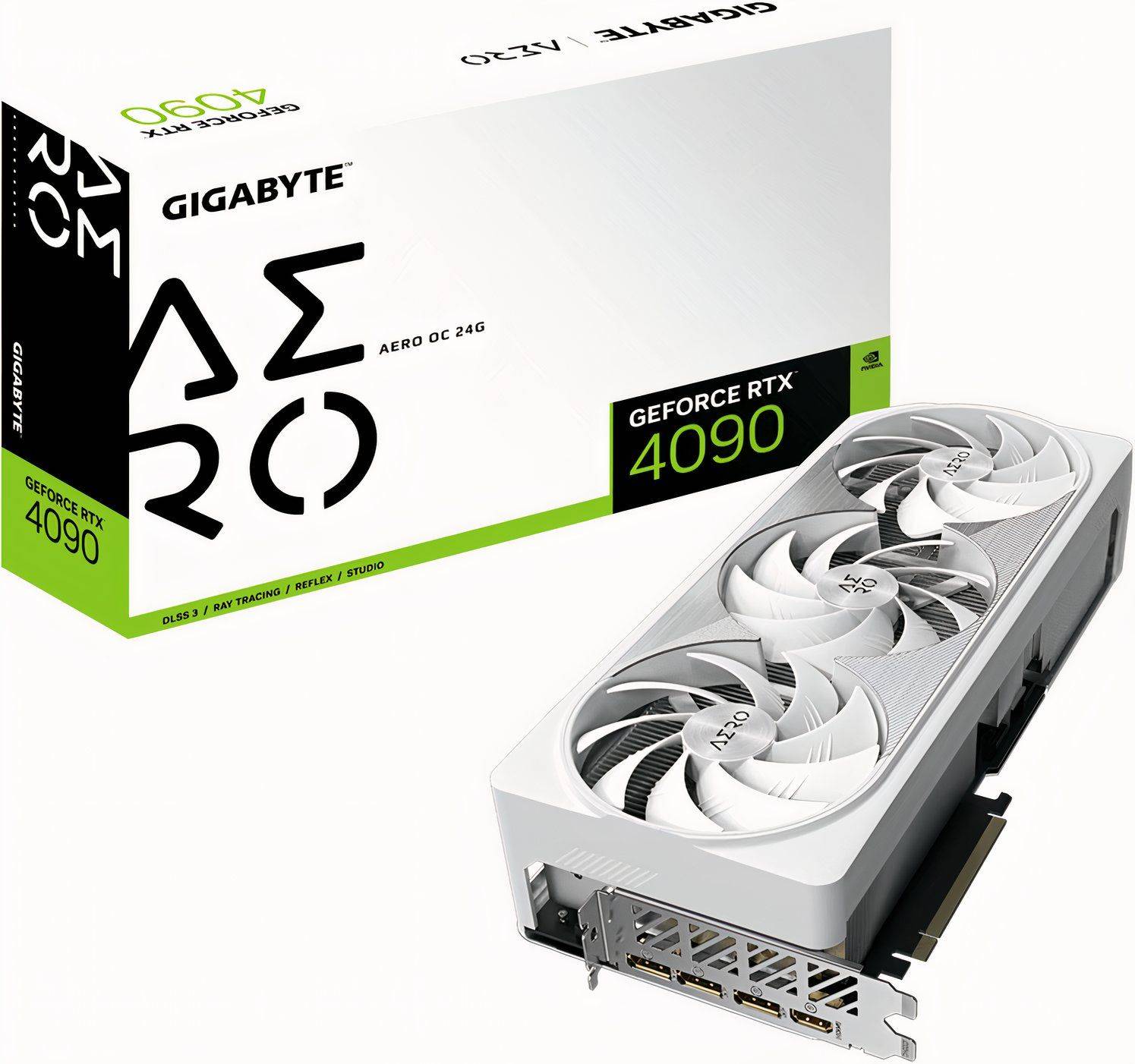 $ 1880 bei NewEgg $ 1850 bei Best Buy
Zenless Zone Zero-Update-Zyklus-Leck gibt Hinweise auf zukünftige Inhaltsrhythmen
Falschgeld-Banksimulator: Prägelösung für Wirtschaftskrisen
Alle Mavuika-Materialien, -Kits und -Konstellationen in Genshin Impact
Roblox: Anime Auras RNG -Codes (Januar 2025)
Marvel Rivals: Staffel 1 Dracula erklärt
Albion Online startet das Paths to Glory-Update mit neuen Inhalten, erhöhten Spawn-Raten und mehr
Beste Xbox Game Pass Spiele für Kinder (Januar 2025)
Solo -Leveling: Globales Turnier nähert sich in der Nähe

Word Island
Herunterladen
Mia - Mexicali - Dice Game
Herunterladen
Wortsauce: Word Connect-Puzzle
Herunterladen
SSM LITE-Football Manager Game
Herunterladen
Quiz Classic Console Game
Herunterladen
Who is it?
Herunterladen
Top slots
Herunterladen
Word Logic
Herunterladen
Dirt Bike Motocross MX Bikes
HerunterladenMindsEye entlässt 300 Mitarbeiter; Ex-GTA-Chef Benzies spricht sich an Mitarbeiter
Apr 02,2026
Liam Hemsworths Geralt debütiert in neuen „Witcher“-S5-Aufnahmefotos
Mar 31,2026
"White Day: A Labyrinth Named School" is a Japanese horror visual novel and adventure game originally released in 2011 by Koei Tecmo (under the Tecmo label at the time). The game was developed by Omega Force and directed by Takashi Kikuchi, known for his work on the Fatal Frame series. The game is set in a mysterious and surreal high school that becomes a labyrinthine prison for its students after a series of strange events. The story follows a group of students who wake up to find themselves trapped in a shifting, otherworldly version of their school, where time loops, supernatural phenomena, and deadly traps abound. As the protagonist, players must explore the eerie corridors, solve puzzles, uncover hidden truths, and survive encounters with grotesque creatures known as "The White Day." The game's title refers to the "White Day" phenomenon—a fictional holiday in Japan that supposedly occurs when the school’s rules are broken, triggering a curse that traps students in a loop of fear and violence. Key features of the game include: Atmospheric horror: The game draws heavily on psychological and supernatural horror, with a haunting soundtrack and disturbing imagery. Multiple endings: Depending on choices made and which characters survive, players can unlock various endings ranging from tragic to surreal. Narrative depth: The story explores themes of isolation, trauma, guilt, and the loss of identity, with complex character backstories tied to the school’s dark past. Influences from Japanese folklore and urban legends: Elements of the game are inspired by Japanese myths, such as the "Kurokami" (Black Hair) and "The Drowned Girl," which are tied to the monsters encountered. Despite being released in 2011, "White Day: A Labyrinth Named School" has gained a cult following over the years, especially among fans of psychological horror and visual novels. It was later released internationally in English in 2013, and its full story and multiple endings have made it a favorite in the horror gaming community. Note: There has been no official "worldwide" re-release as of 2024, though the game remains available through various digital platforms (like Steam and GOG) and is often sought after by collectors and fans of the genre. If you're looking to play it, check platforms like Steam or the original PlayStation 3 release (if you own a console), but be aware that official updates or remasters are not currently in development.
Mar 31,2026
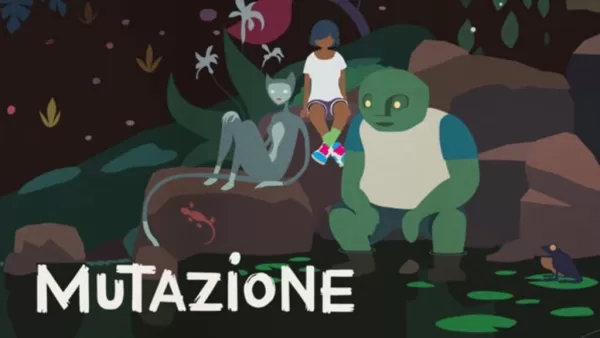
Handgezeichnetes Abenteuerspiel mit Mutanten-Soap-Opera-Stil, Mutazione, ist jetzt auch auf Android erhältlich
Mar 29,2026
Spielekonsole-Verkäufe in den USA steigen um 12 % gegenüber dem Vorjahr
Mar 28,2026
 Kategorie