
by Skylar Mar 17,2025
Civilization’s leaders are as iconic as the civilizations themselves. Firaxis' approach to choosing each nation's representative has evolved significantly over the years. Let's explore Civilization VII's roster and how it redefines leadership.
← Return to Sid Meier's Civilization VII main article
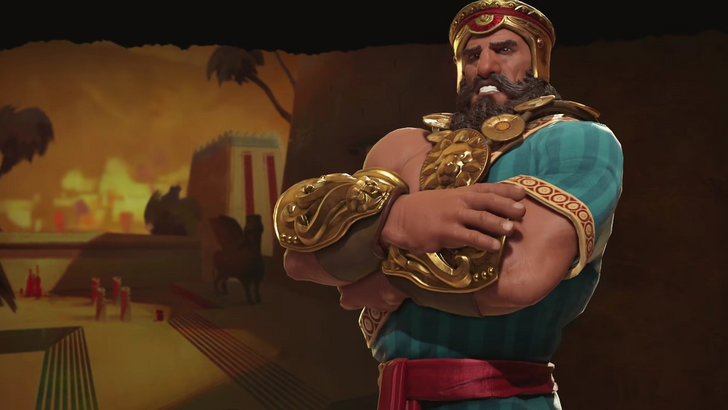
Civ leaders have been a core element of the series since the beginning, shaping its identity. Each leader embodies their civilization, making them as vital as the civilization itself. However, the representation of leaders has evolved with each installment, refining the concept of leadership and its impact on gameplay.
This exploration delves into Civilization's history, examining the evolution of its leader roster, the changes in each iteration, and how Civilization VII uniquely redefines leadership.
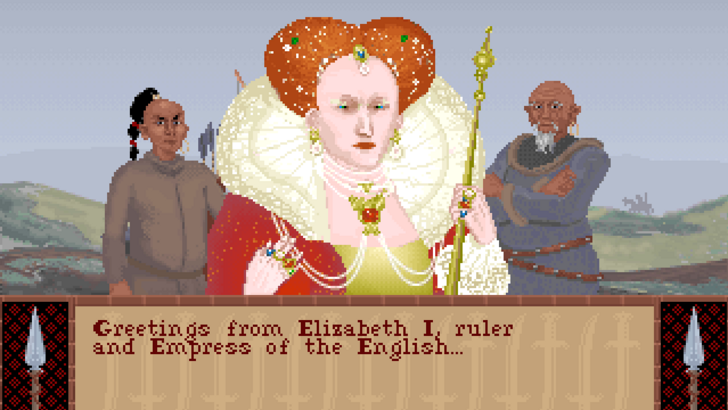
The original Civilization featured a relatively simple roster compared to later games. Most were established global superpowers or figures from antiquity.
With limited scope and technology, the game included just 15 civilizations, featuring nations like America, Rome, Greece, Japan, China, France, Egypt, and Russia. Leadership was straightforward; each leader was a historical head of state. The selection prioritized widely recognized figures.
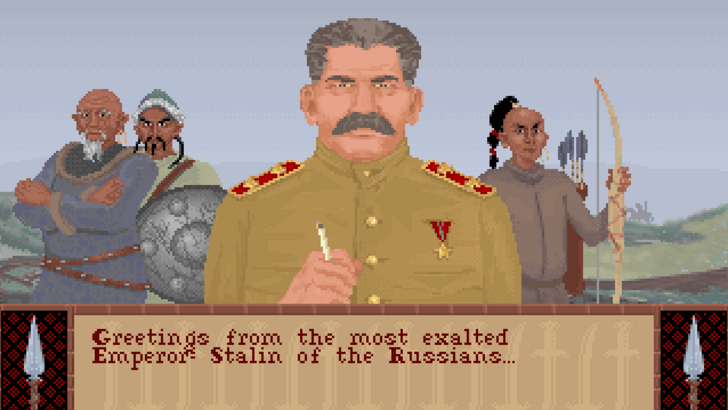
This resulted in leaders like Abraham Lincoln, Tokugawa Ieyasu, Mahatma Gandhi, and Julius Caesar—alongside more controversial choices such as Mao Zedong and Joseph Stalin. Elizabeth I was the sole female leader. This approach, while simple, reflects the context of the game's release. Subsequent iterations brought significant changes.
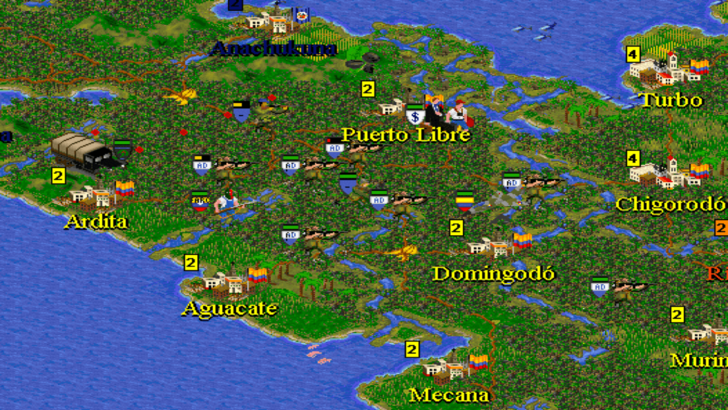
Civilization II expanded the roster and included lesser-known powers like the Sioux. Significantly, it introduced a separate roster of female leaders, offering both male and female options for each civilization.
The definition of "leader" broadened. Figures crucial to their civilization's identity, even if not heads of state, took center stage. Examples include Sacagawea for the Sioux and Amaterasu for Japan.
Civ III integrated female leaders into the main roster, featuring six. Some replaced historically prominent male counterparts; Joan of Arc replaced Napoleon for France, and Catherine the Great replaced Stalin for Russia.
Civ IV and Civ V significantly expanded both the roster size and the definition of leadership. Revolutionaries, generals, reformists, and even consorts became common. Traditional figureheads were replaced or supplemented. Examples include Wu Zetian replacing Mao Zedong for China and both Victoria I and Elizabeth I representing England. The focus shifted from solely powerful figures to a broader representation of humanity.
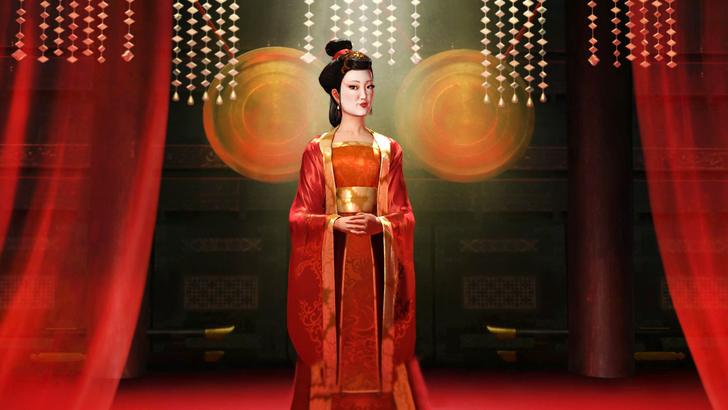
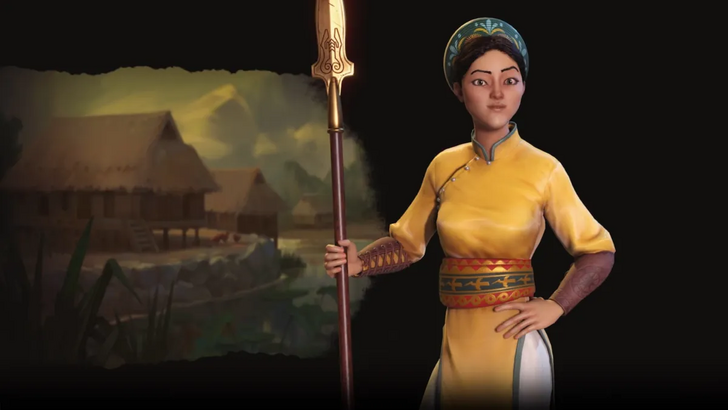
Civilization VI emphasized characterization, diversity, and creativity, presenting leaders as stylized animated caricatures. Leader Personas—alternative versions of the same leader with distinct playstyles—were introduced. Lesser-known figures from less prominent civilizations gained prominence.
Lautaro of the Mapuche, Bà Triệu of Vietnam, and Queen Gorgo of Sparta are notable examples. The focus shifted from a leader's entire legacy to specific chapters of their lives. Eleanor of Aquitaine and Kublai Khan could lead multiple civilizations. America and China offered multiple leader options. Leader Personas added further diversity, with variations for figures like Catherine de Medici and Theodore Roosevelt.
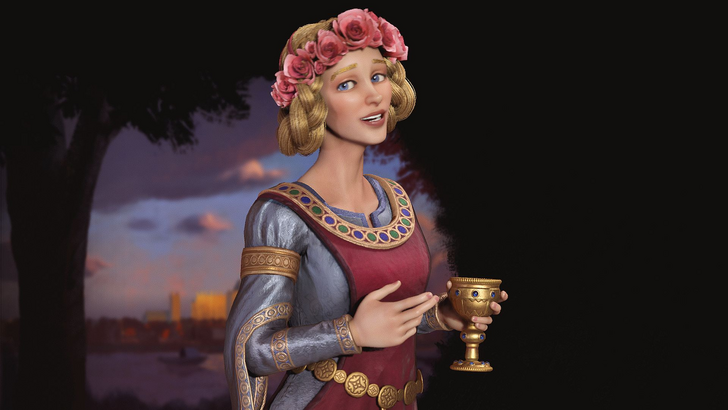
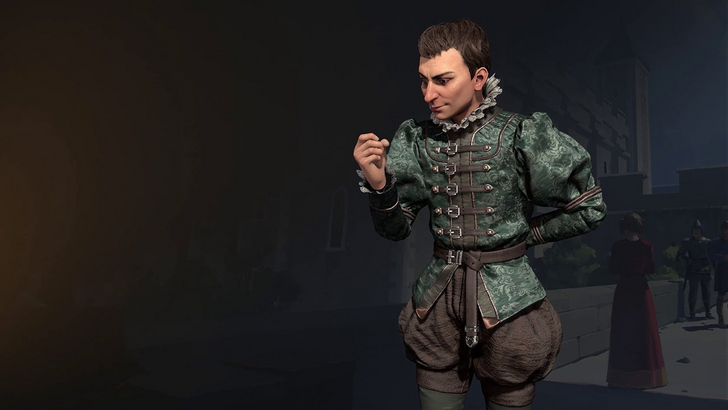
Civilization VII showcases the most diverse and creative roster yet. Unconventional leaders, multiple personas, and carefully curated selections tailored to different playstyles are key features.
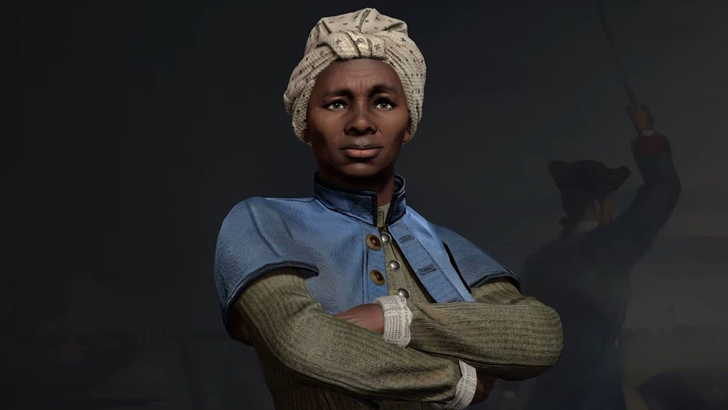
The mix-and-match approach to civilizations and leaders allows lesser-known figures to take center stage. Harriet Tubman, the American abolitionist, is a prominent example, filling a unique spymaster role. Niccolò Machiavelli, known for his political writings, is another unexpected addition. José Rizal of the Philippines represents a significant shift in representation.
Over nearly 30 years, Civilization has evolved from a game about superpowers to a diverse and imaginative collection of individuals representing humanity's story. The definition of leadership has transformed, but its significance remains unwavering.

← Return to Sid Meier's Civilization VII main article

Zenless Zone Zero Update Cycle Leak Hints at Future Content cadence
All Mavuika Materials, Kit, and Constellations in Genshin Impact
Counterfeit Bank Simulator: Minting Solution for Economic Crises
Marvel Rivals: Season 1 Dracula Explained
Best Xbox Game Pass Games For Kids (January 2025)
Solo Leveling: Global Tournament Draws Near
Power Rangers: Uncover Hidden Secrets in Rita's Carnival and Cemetery
Roblox: Anime Auras RNG Codes (January 2025)

4Play - Mau Binh Online
Download
Word Games: Sex Word Puzzle
Download
VEGA - Game danh bai doi thuong
Download
Offline Mini Games All in One
Download
WOW: Dalam Bahasa Indonesia
Download
The Dynasty
Download
Twin Jackpots Casino
Download
Riddle Test
Download
Suspended Sex Simulator~Bound Mama and the Four Goblins
DownloadKonami Celebrates Silent Hill 2 Remake Milestone of 2 Million Sales
Dec 21,2025

"Pokémon Go Launches Might & Mastery Season Tomorrow"
Dec 21,2025

Top Eleven 2026 Launches with Campus, Stadium & Fans
Dec 21,2025
Mass Effect Fans Must See Exodus
Dec 19,2025

Will Smith Declined Inception Role with Nolan
Dec 19,2025
 Category