
by Violet Dec 17,2025
We often replace our tech gadgets every few years, chasing the newest iPhone, a faster processor, or a more powerful graphics card. Older hardware usually gets resold or tossed aside.
Yet, many outdated devices continue to operate and serve essential purposes in unexpected areas. Here are eight remarkable examples of how vintage technology remains relevant today.
Table of Contents
Retro Computers Mining Bitcoin A Trusted Mechanic's Tool Since the 80s Vintage Tech as a Bakery POS System Legacy Systems Managing Nuclear Weapons Windows XP Runs a Multi-Billion Dollar Aircraft Carrier Critical Airport Systems Fail Because of Old Software Classic Hardware Powers Advanced Research Nostalgia Helps Keep Older Systems Running 0 0 Comment on this
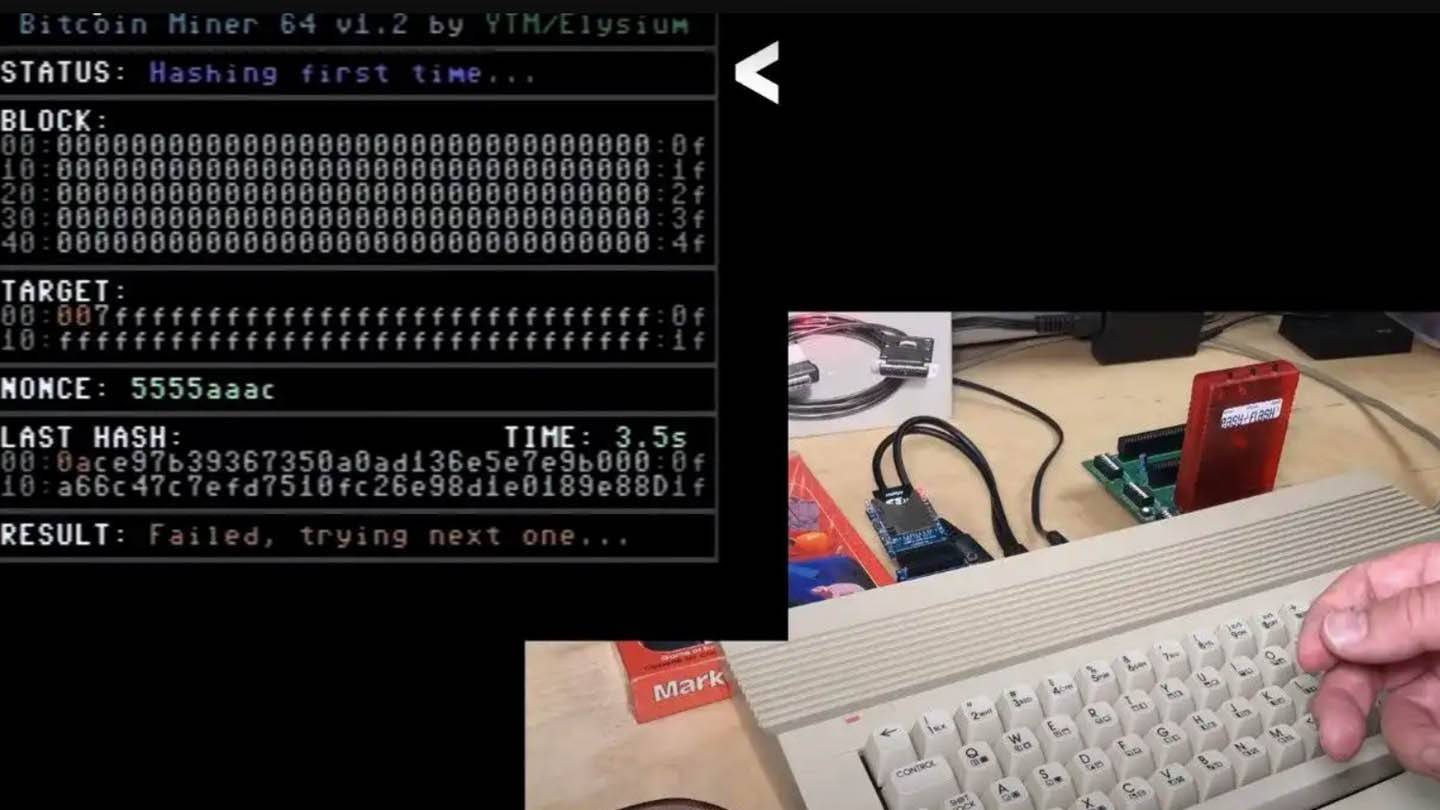 Image: x.com
One enthusiast showed that the Commodore 64, a computer launched in 1982, could mine Bitcoin. However, it's not very efficient — the system manages only 0.3 hashes per second, thanks to its 8-bit, 1 MHz processor. By comparison, a modern RTX 3080 GPU processes 100 million hashes every second. At this rate, it would take the C64 about a billion years to earn one Bitcoin.
Another YouTuber, stacksmashing, attempted to mine Bitcoin using a 1989 Nintendo Game Boy. By connecting the console to the internet via a Raspberry Pi Pico microcontroller, he got a mining program running. The Game Boy achieves 0.8 hashes per second, slightly better than the C64, but roughly 125 trillion times slower than today's ASIC miners. To mine one Bitcoin, the Game Boy would need to run longer than the age of the universe.
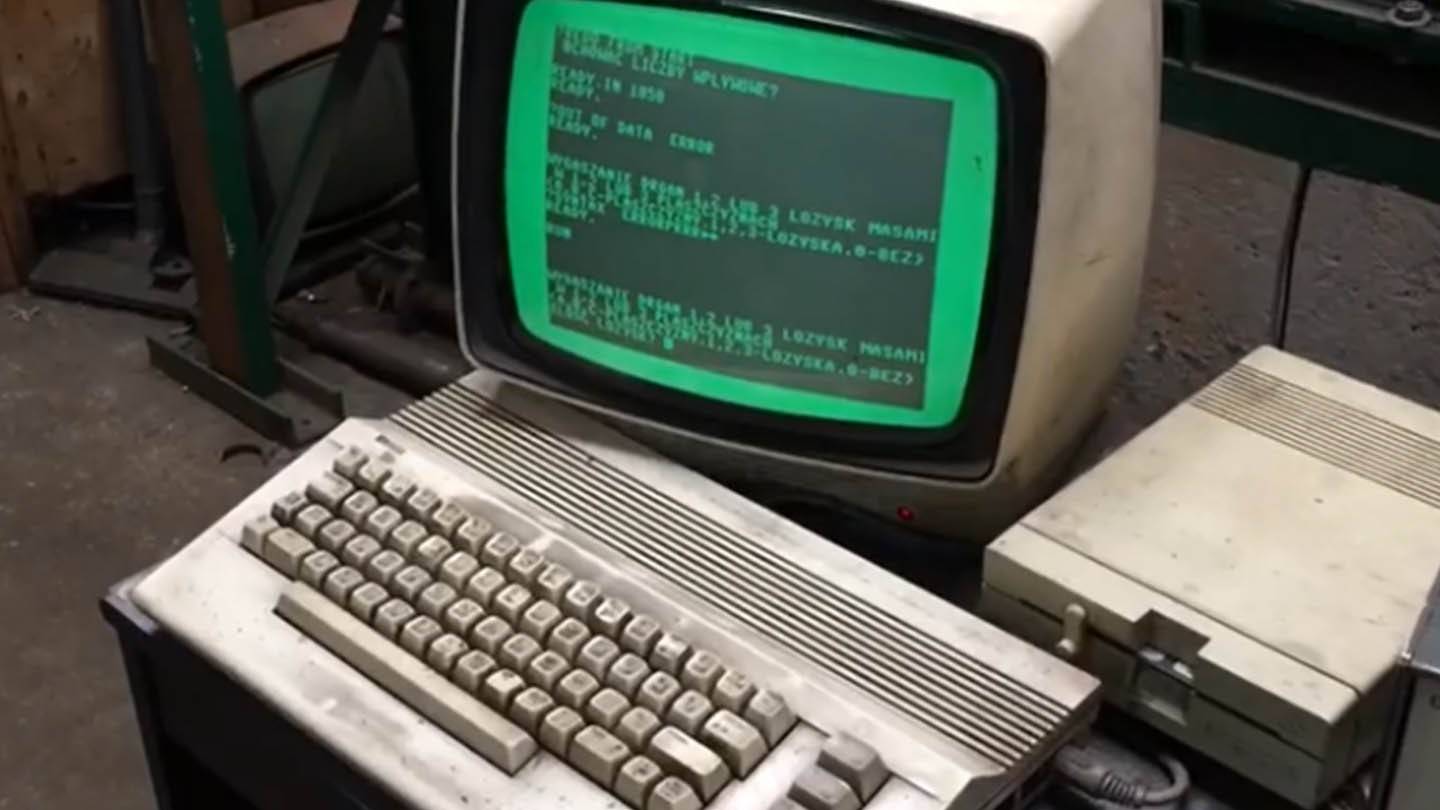 Image: x.com
In the Polish city of Gdansk, a dependable Commodore 64C has been helping mechanics for more than thirty years. Even after surviving a flood, the computer still performs drive shaft calculations without fail. This veteran device shows that older technologies can sometimes outlast modern ones. With just a 1 MHz CPU and 64 KB of memory, the C64C runs custom software developed by the business owner smoothly.
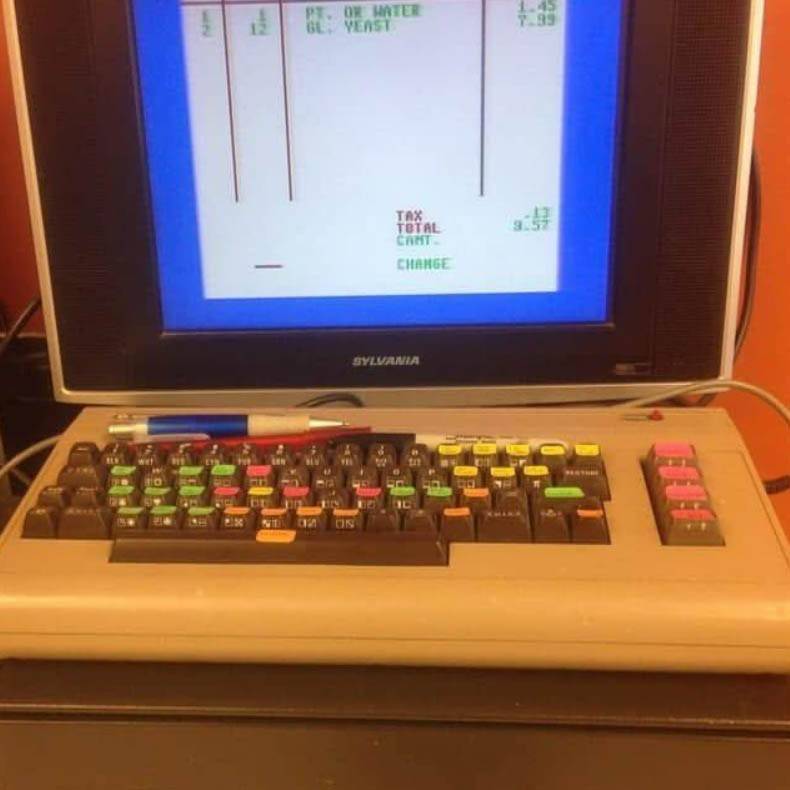 Image: x.com
A bakery in Indiana has used a Commodore 64 as its point-of-sale (POS) system since the 1980s. Affectionately called the "breadbox," the computer functions as an online cash register. Unlike modern POS systems that often face software update problems, the C64 remains reliable after only updating the keyboard labels for baked goods.
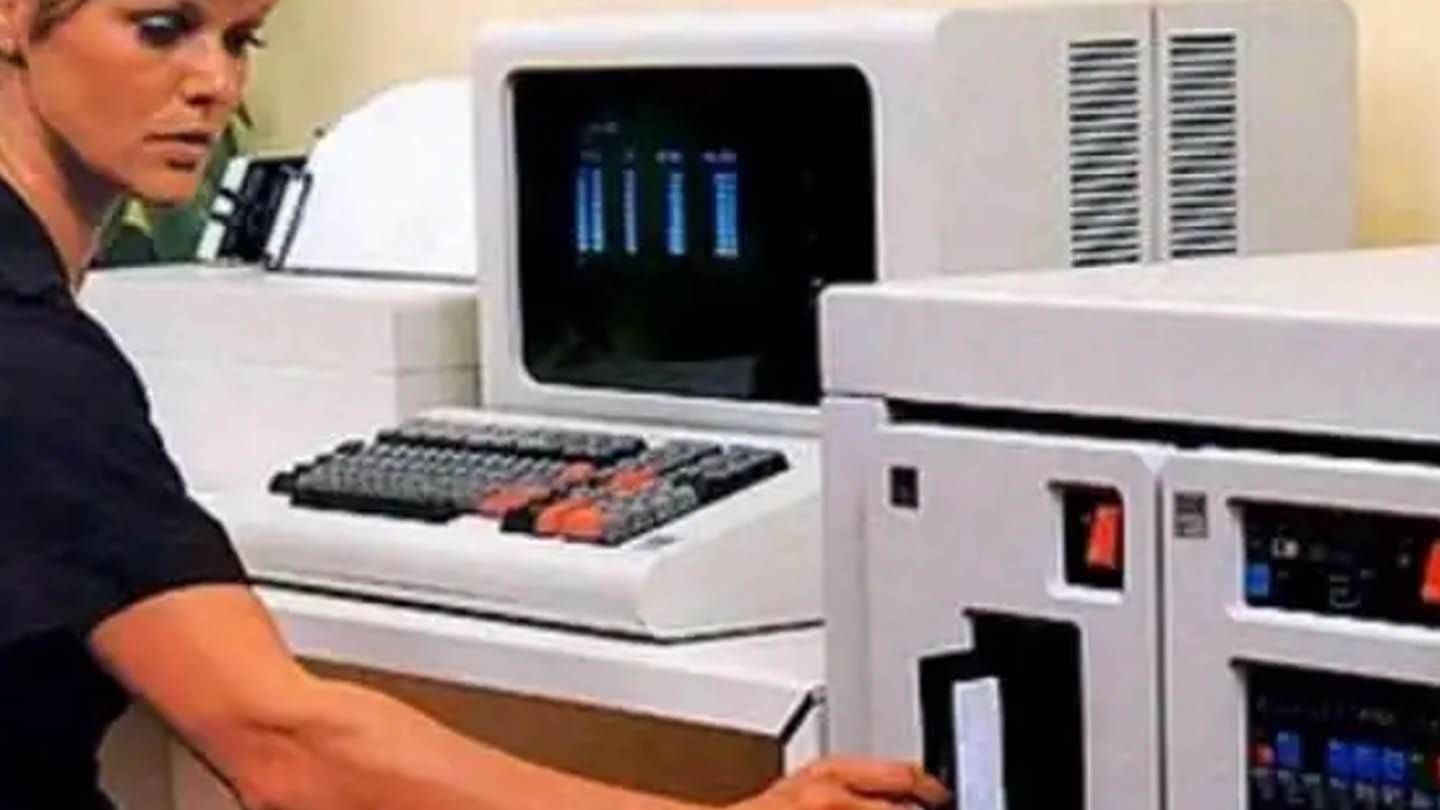 Image: x.com
Believe it or not, the United States manages its nuclear arsenal using an IBM computer from 1976, which relies on 8-inch floppy disks that store about 80 KB of data — less than an average text message. While modernization plans are in place, the current system continues due to its demonstrated reliability.
Similarly, Germany's naval fleet uses 8-inch floppy disks on its Brandenburg-class frigates. Even though these ships were built in the 1990s with advanced weaponry, they depend on outdated storage technology. Upgrades include installing floppy disk emulators, though nostalgia may be keeping the original system alive.
 Image: x.com
The British aircraft carrier HMS Queen Elizabeth, worth billions, operates on Windows XP — an operating system whose official support ended in 2014. The Royal Navy states that all necessary security measures are implemented, yet reliance on such an outdated OS raises concerns.
Likewise, Britain's Vanguard-class submarines — Victorious, Vigilant, and Vengeance — run Windows XP to manage intercontinental missiles. These systems are kept offline for security reasons, and updates aren't scheduled until 2028.
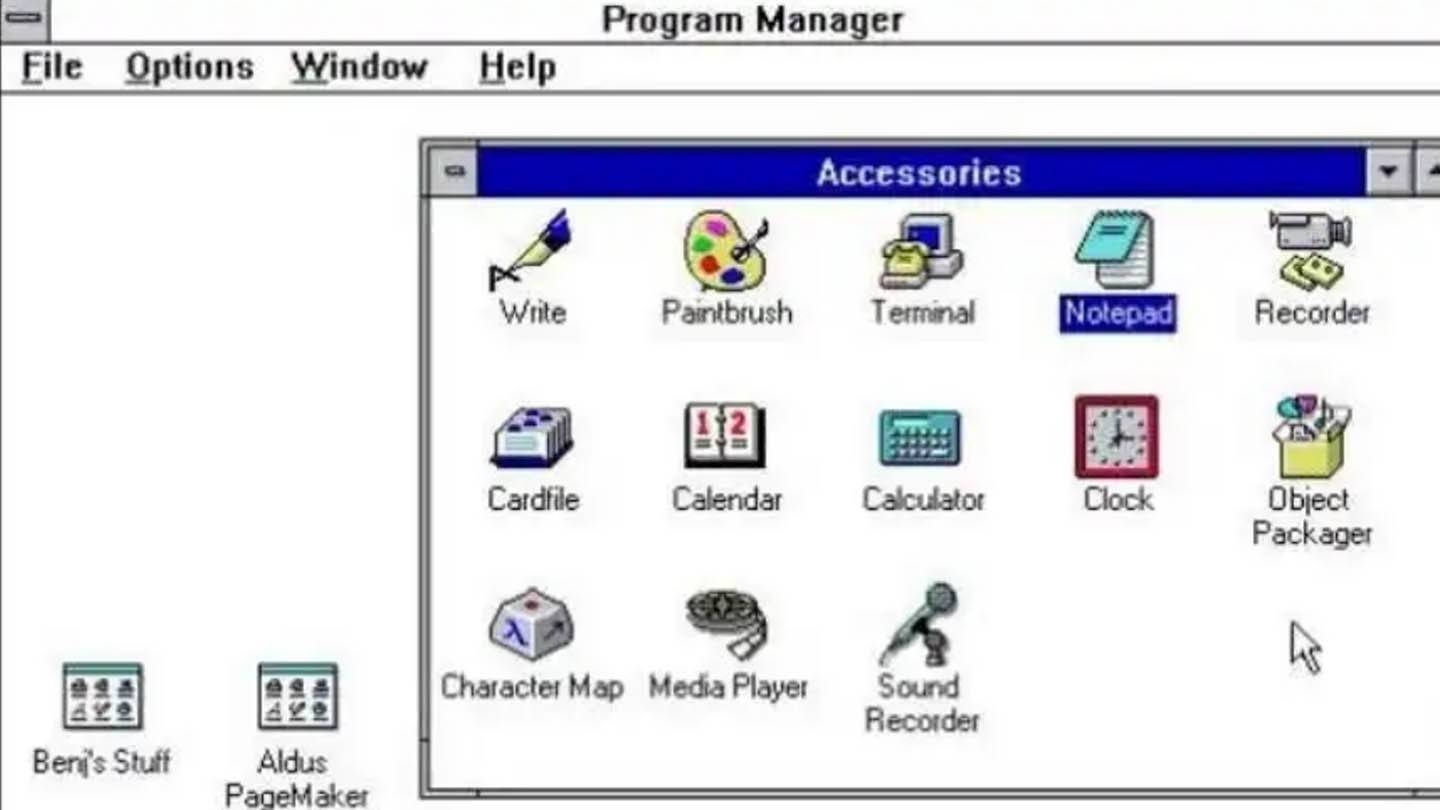 Image: x.com
In 2015, Paris Orly Airport faced a system failure when a computer running Windows 3.1, an OS from 1992, crashed. The DECOR software, which supplies pilots with weather information, stopped working, leading to flight cancellations for safety. Users humorously remarked that the computer probably wanted an upgrade to Windows 95.
Although the original article didn't cover this, retro computers like the Commodore 64 are often reused in scientific research and education. Their straightforward design makes them useful for teaching programming basics or running simple physics simulations, helping students grasp foundational computing concepts.
Apart from functional use, many groups keep older systems due to nostalgia or habit. Whether it's to maintain compatibility with established workflows or to avoid expensive upgrades, these choices emphasize the lasting value of familiar tools.
These cases highlight how obsolete technology still supports vital operations across different fields. From game consoles mining cryptocurrency to decades-old computers controlling global defense systems, legacy tech shows surprising durability. Though upgrades will eventually take over, these devices remind us of the lasting benefits of simplicity and dependability.
Zenless Zone Zero Update Cycle Leak Hints at Future Content cadence
Marvel Rivals: Season 1 Dracula Explained
Counterfeit Bank Simulator: Minting Solution for Economic Crises
All Mavuika Materials, Kit, and Constellations in Genshin Impact
Albion Online launches Paths to Glory update with new content, boosted spawn rates, and more
Roblox: Anime Auras RNG Codes (January 2025)
Best Xbox Game Pass Games For Kids (January 2025)
Power Rangers: Uncover Hidden Secrets in Rita's Carnival and Cemetery

Monster Hunter Now's Season 5 Finale Begins
Jun 06,2026
'I Miss Heath Too Much': Marvel Star Paul Bettany Still Feels the Loss of Joker Legend Heath Ledger, and Still Can't Watch A Knight's Tale
Jun 06,2026

Fisch Exalted Removal Guide
Jun 04,2026

Devil May Cry: Awakened Dante Launches in Peak of Combat
Jun 03,2026

Pine Hearts is a cosy puzzle adventure out now on Android and iOS
Jun 02,2026
 Category