by Thomas Mar 24,2026
Фильм 2010 года «Социальная сеть», в котором рассказывается о создании Facebook, официально получает продолжение.
Согласно Deadline, лауреат премии «Оскар» писатель Эйрон Соркин напишет сценарий и станет режиссёром продолжения, уделив особое внимание более свежим скандалам Facebook.
Соркин, как ожидается, будет опираться на раскрытия из серии «Файлы Facebook» в Wall Street Journal, основанной на утечках внутренних документов, которые показали, что компания осознавала наносимый ею алгоритмами вред обществу.
Соркин публично заявил, что считает Facebook частью событий 6 января 2021 года, хотя источники подчеркивают, что продолжение не будет сосредоточено исключительно на этом дне. Фильм также рассмотрит влияние социальных сетей на молодёжь и последствия их действия за пределами Соединённых Штатов.Хотя у Соркина чёткое видение проекта, он находится на ранней стадии разработки, и кастинг пока не определён. Неясно, вернётся ли Джеффри Айзенберг в роль основателя Facebook Марка Цукерберга, хотя и сам Соркин, и Айзенберг ранее выражали заинтересованность в сиквеле.
«О да, — сказал Айзенберг в интервью IndieWire в 2019 году, отвечая на вопрос о возвращении на роль. — Воспользоваться возможностью сыграть хорошую роль в популярном проекте — редкое счастье. Это был шанс изобразить сложного персонажа, который в обычных условиях можно было бы увидеть только на сцене или в художественном фильме, но на масштабной арене. Для меня это было невероятно удачным моментом.»
Zenless ZEN ZEN ZERO UPDAT
Marvel Rivals: объяснение Дракулы в первом сезоне
Симулятор фальшивого банка: решение проблем с экономическим кризисом
Все материалы, комплекты и созвездия Мавуики в Genshin Impact
Albion Online запускает обновление «Пути к славе» с новым контентом, повышенной частотой появления и многим другим.
Roblox: коды RNG аниме (январь 2025 г.)
Лучшие Xbox Game Pass игры для детей (январь 2025 г.)
Могучие рейнджеры: раскройте скрытые секреты карнавала и кладбища Риты

Финал пятого сезона Monster Hunter Now начался
Jun 06,2026
«Слишком сильно скучаю по Хиту»: звезда Marvel Пол Беттани до сих пор помнит легенду Джокера Хита Леджера и не может пересмотреть «Повелителя бури»
Jun 06,2026
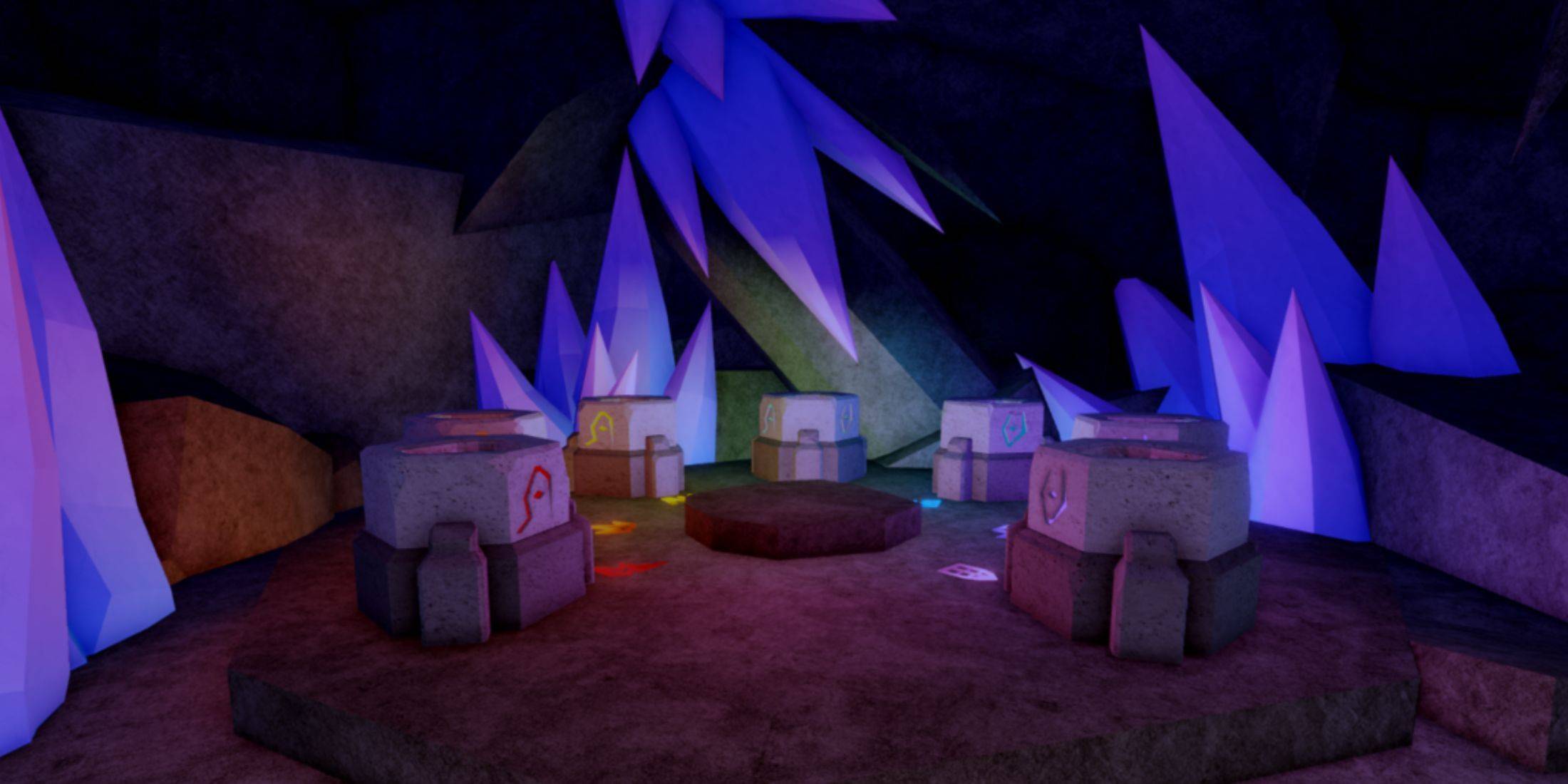
Гайд по удалению экзотических рыб в Fisch
Jun 04,2026
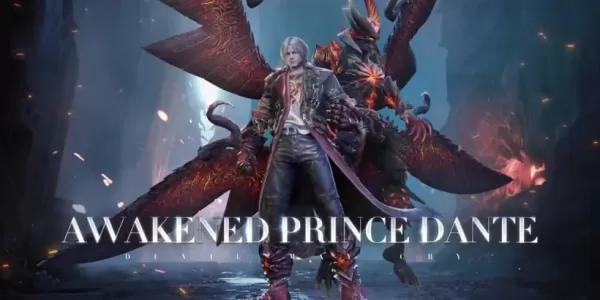
Devil May Cry: Awakened Dante Launches in Peak of Combat — A New Era of Stylish Action Unleashed Prepare for a thunderous return to the world of demonic mayhem, as Devil May Cry: Awakened Dante launches with explosive force, plunging players back into the heart-pounding, style-driven combat that defined the franchise. Developed by Capcom and directed by a team of veteran creators from the original series, this highly anticipated entry reimagines the legendary demon hunter Dante in a darker, more mature iteration — one forged in the fires of loss, redemption, and rebirth. Set between the events of Devil May Cry 3 and Devil May Cry 4, Awakened Dante tells the story of a Dante pushed to his limits. Haunted by visions of his fallen brother, Vergil, and tormented by the resurgence of the ancient demon forces he once thought defeated, Dante descends into a fractured dimension known as the Eclipse Wastes—a realm where time bends and reality unravels. Key Features: 🔥 Revamped Stylish Combat System: The game introduces "Demonic Flow," a new combat mechanic that allows Dante to seamlessly switch between his Devil, Human, and Demon forms mid-combo, unlocking devastating new moves. Each form alters his fighting style—Devil form emphasizes brute force and demonic energy blasts, Human form offers precision and tactical depth, and Demon form unleashes wild, high-risk, high-reward attacks. ⚔️ Double the Chaos, Double the Style: Players can now summon and temporarily control Dante's alternate selves from other timelines using the "Fate Echo" system. This means you might fight alongside a younger, more reckless Dante from his early years or command a battle-hardened, scarred version from a dark future—all in the same battle. 🎮 Narrative Depth & Character Evolution: The story is told through a nonlinear narrative structure, where player choices alter the fabric of the Eclipse Wastes. Every decision—whether to spare a demon, destroy a memory, or ally with a fallen foe—ripples through the world, creating multiple endings and hidden story arcs. 🎨 Visuals & Sound: A Symphony of Sins: With cutting-edge graphics powered by the RE Engine, Awakened Dante delivers a cinematic experience like no other. From the rain-slicked ruins of a forgotten city to the ethereal corridors of the demonic underworld, every environment is a work of art. The score, composed by series veteran Masami Ueda with new tracks by Junichi Masuda, blends haunting orchestration with industrial rock, creating an atmosphere that pulses with tension and drama. 🎮 New Game Modes: “Eclipse Arena”: Ranked online multiplayer where players battle in asymmetric demon-hunting arenas. “Soul Requiem”: A brutal co-op campaign for up to three players, challenging you to survive endless waves of demonic hordes across time-damaged realms. “Showtime Mode”: A full-speed replay mode that lets you relive and perfect your most stylish combos, complete with real-time scoring and dynamic commentary. “This isn’t just a return. It’s a reckoning.” — Capcom Official Teaser Trailer Devil May Cry: Awakened Dante launches worldwide on October 24, 2024, for PlayStation 5, Xbox Series X|S, and PC. The Deluxe Edition includes a digital artbook, 10 exclusive costumes (including a gothic vampire version of Dante), and a special DLC pack: “Echoes of Rebellion”, featuring a playable Vergil in his demonic form. 🔥 Are you ready to fight your way back to glory? The devil is in the details — and so is the legend. Awakened Dante. Unleashed.
Jun 03,2026

Pine Hearts — уютная головоломка, вышедшая на Android и iOS
Jun 02,2026
 Категория