 Catégorie
 by Gabriella Feb 21,2025
Freedom Wars Remastered affiche la santé de chaque abducteur sur son torse. Les joueurs utilisent diverses armes et objets pour épuiser cette santé et vaincre le ravisseur. Le jeu présente divers types de dégâts, chacun avec une mécanique unique. Bien que les armes de mêlée légères se séparent souvent les parties du corps, les fonctions de dommages-impact sur les impact de la même manière, jouant un rôle crucial dans la stratégie de combat.
La maîtrise des dommages à l'impact améliore considérablement les retraits des abducteurs. Ce guide explique les dommages à l'impact et son utilisation efficace dans Freedom Wars Remastered.
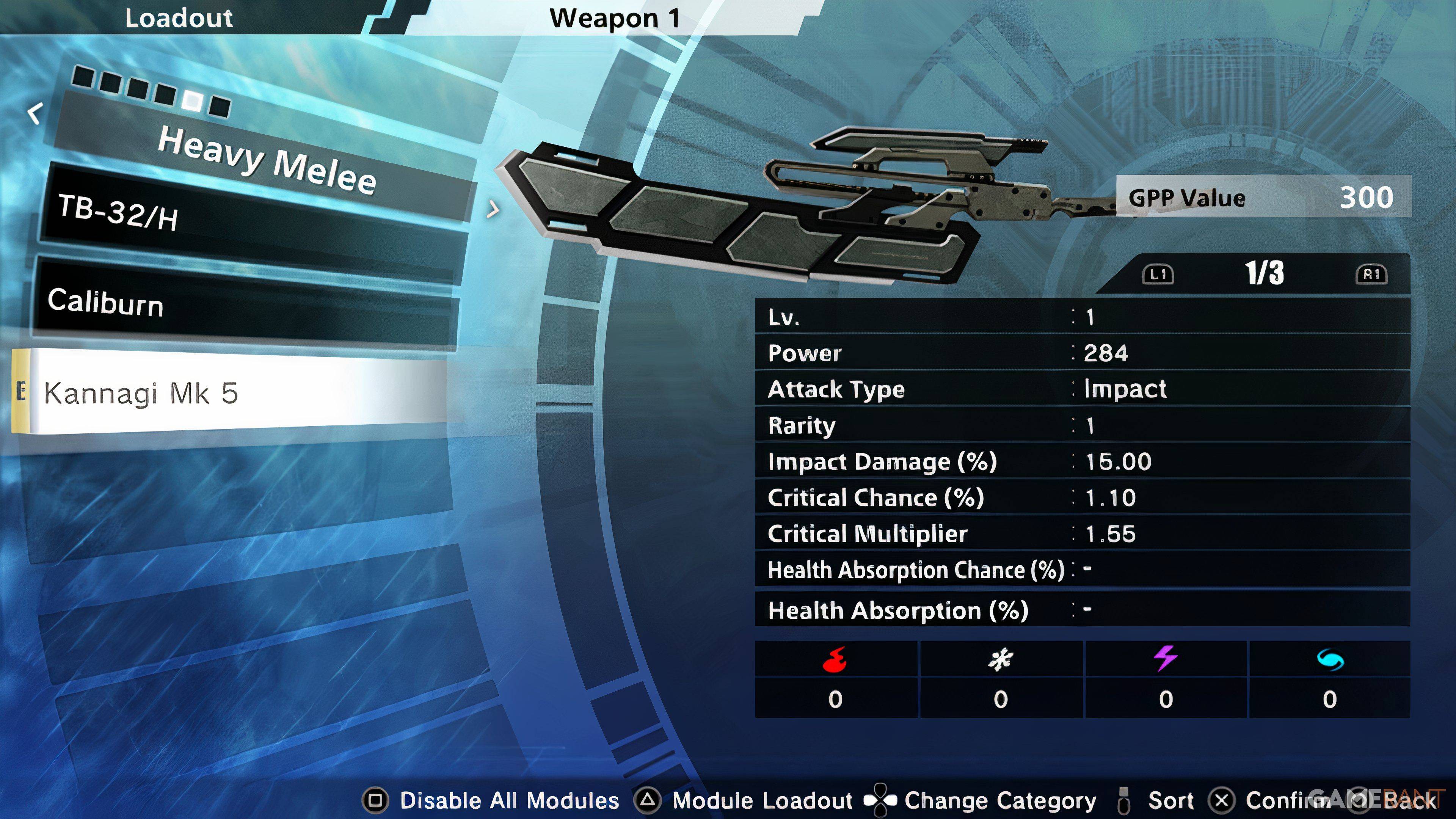 Les dégâts d'impact se trouve principalement sur les armes de mêlée lourdes et certaines armes à distance. Bien qu'une valeur numérique accompagne souvent le pourcentage de dégâts d'impact, cela n'augmente pas directement votre production globale de dégâts. Au lieu de cela, ce sont des dommages non élémentaires qui améliorent la force de vos attaques standard, augmentant ainsi le taux de décalage de l'ennui. Un compteur de décalage complet se traduit par le dégagé de dégagement, la baisse ou la présence d'autres réactions, créant un moment opportun pour infliger des dommages substantiels avant la récupération.
Contrairement à la barre de santé visible, le compteur Stagger est caché. L'enlèvement titube une fois que le taux dépasse un seuil spécifique. Cela peut être avantageux ou désavantageux. Le jeu hors ligne permet des attaques chargées et des coups puissants. Cependant, en ligne, stupéfiant un ravisseur pourrait entraver les attaques des coéquipiers. Certains abducteurs réagissent uniquement au stupéfiant; Par exemple, Ramosa se retrouve. Les tubes précis deviennent plus difficiles pendant cette période.
L'augmentation des dégâts de décalage nécessite de déverrouiller l'installation de développement d'armes. Cette installation permet la fabrication et la personnalisation d'armes, offrant diverses options d'amélioration. Utilisez la fonctionnalité de modules de fabrication pour créer des modules à l'aide de ressources. Le module de dégâts de décalage nécessite du carbone vitreux, une ressource de terrain commune dans les opérations de base. Les modules de synthèse combinent des modules identiques pour améliorer leur efficacité. Fixez le module fabriqué à votre arme pour améliorer les dégâts d'impact et améliorer les capacités stupéfiantes.
Étant donné que les dommages à l'impact sont non élémentaires, hiérarchisez les mises à niveau des dommages physiques sur les améliorations élémentaires pour un échec optimal.
Des modules comme les dégâts de Stagger sont particulièrement bénéfiques pour les utilisateurs d'armes de mêlée lourdes ou d'armes à distance spécifiques naturellement adeptes pour construire Stagger.
Zenless Zone Zero Mise à jour des fuites de fuite de cycle à la cadence future du contenu
Simulateur de contrefaçon de banque : solution de frappe pour les crises économiques
Marvel Rivals : Saison 1, Dracula expliqué
Roblox: codes Auras RNG Auras (janvier 2025)
Tous les matériaux, kits et constellations Mavuika dans Genshin Impact
Albion Online lance la mise à jour Paths to Glory avec du nouveau contenu, des taux d'apparition améliorés et bien plus encore
Meilleurs Xbox Game Pass jeux pour enfants (janvier 2025)
Mise à niveau en solo : le tournoi mondial approche
Spy X Family Game Piano Tiles
Télécharger
Number Boom - Island King
Télécharger
โดมิโน่สยาม - Domino Siam
Télécharger
Phom - Tien len mien nam
Télécharger
Jackpot Slot Game
Télécharger
Original Slots
Télécharger
Hey Love Adam Mod
Télécharger
Words in Word
Télécharger
Raven's Daring Adventure
Télécharger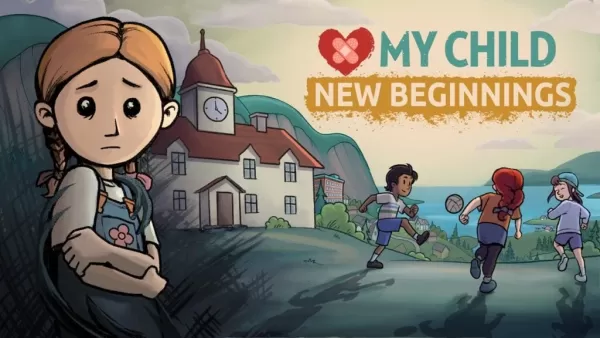
It seems you're referring to a fictional or alternate-reality concept involving a game or narrative titled "My Child: New Beginnings," which you describe as a "successor" to "My Child: Lebensborn," and mention it "landing on Android." Let's clarify and explore this. 1. My Child: Lebensborn (Original Game) Developer: Dereza Games (a Polish indie studio). Release: Originally launched in 2022. Genre: Emotional, narrative-driven simulation game. Plot: Set in post-WWII Norway, players take on the role of a woman who adopts a child from the Lebensborn program — a Nazi initiative to produce racially "pure" children. The game explores themes of identity, belonging, motherhood, and moral ambiguity in a historically charged setting. It’s a deeply emotional and thought-provoking experience that received attention for its sensitive storytelling and strong atmosphere. 2. My Child: New Beginnings (Hypothetical or Confirmed Game?) As of now (2024), "My Child: New Beginnings" is not an officially released game by Dereza Games or any major publisher. There is no official announcement from the developers confirming a sequel titled New Beginnings. However, the name “New Beginnings” could be: A fan-made mod or fan project. A misunderstanding or confusion with a different game. A mock title used in forums, YouTube videos, or social media to describe a sequel idea. Or possibly a new game inspired by the original, not officially connected. There was some fan speculation and demand for a sequel to My Child: Lebensborn, especially after its emotional conclusion and open-ended narrative. Some fans have imagined a follow-up focusing on the child’s life as they grow up, exploring identity, truth, and reconciliation — hence the name "New Beginnings." 3. Available on Android? The original My Child: Lebensborn is available on Android, as well as PC (Steam), and consoles. It has been released on mobile via Steam and Itch.io, and has a mobile version on the Google Play Store (though some versions may have limited features compared to the full PC version). As of now, no official Android version of "My Child: New Beginnings" exists, because the game doesn’t officially exist yet. 4. What’s Likely Happening? You might have seen a fan-made video, mockup, or fan fiction titled "My Child: New Beginnings". It could be a YouTube or TikTok video showing a fake trailer or concept art for a fictional sequel. Or a fan game or mod that’s not officially distributed. Conclusion: ❌ No, "My Child: New Beginnings" is not an official game as of 2024. ✅ The original My Child: Lebensborn is available on Android. 🔄 A sequel titled New Beginnings is not confirmed, but fans have speculated about it. If you’re looking to play the original, you can find My Child: Lebensborn on: Google Play Store Steam (PC/Mac) Itch.io Keep an eye on Dereza Games’ official website and social media for any real news about a sequel. Let me know if you’d like help finding the official game or exploring fan theories about a possible sequel!
May 14,2026
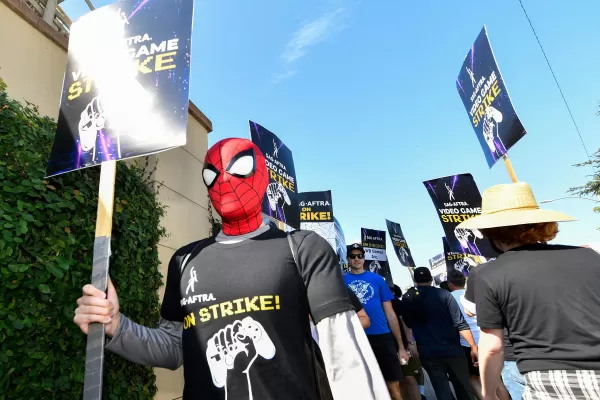
La grève des jeux vidéo de la SAG-AFTRA prend fin après près d'un an
May 12,2026
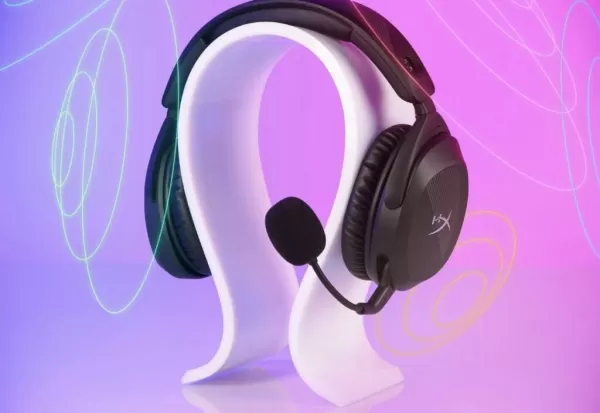
Les meilleurs casques HyperX pour tous les budgets
May 11,2026
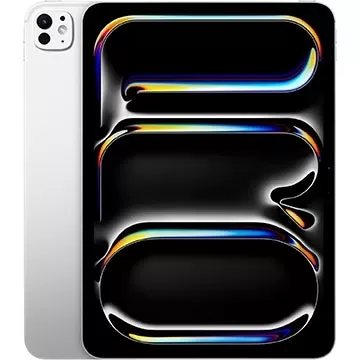
iPad Pro avec puce M4 et écran OLED à son prix le plus bas jamais enregistré
May 09,2026
War Robots fait appel au designer Kunio Okawara
May 09,2026